Drink Where It’s Made: West Country Inns With a Brewery, Vineyard or Still on Site
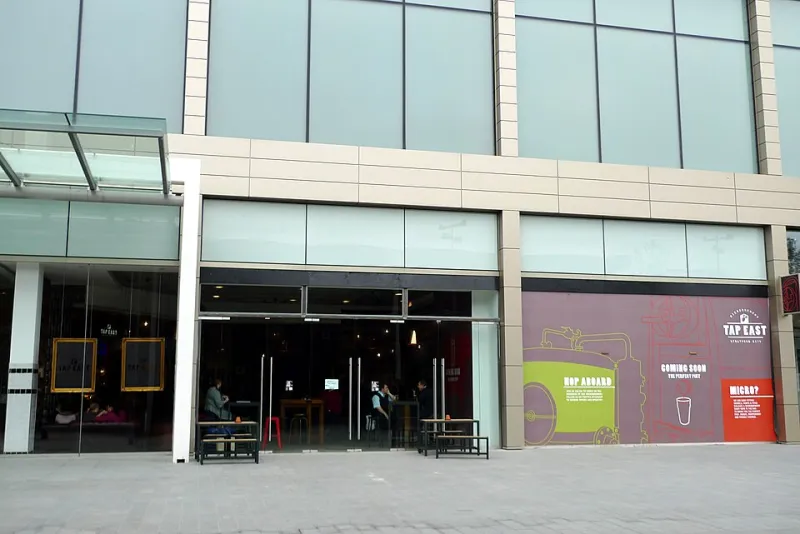
Photo: Ewan Munro from London, UK, CC BY-SA 2.0, via Wikimedia Commons
A good weekend away has a rhythm: a walk, a bath, a drink, dinner, bed. The drink is not the whole point, but it helps when it has been made a few feet from where you are sitting. That is the appeal of a West Country inn with its own brewery, vineyard or still. You are not just staying near the thing; you are staying with it.
In 2026, the house drink has become a useful way for inns to stand out. But it can also be a gimmick. A single copper kettle in the corner does not make a brewpub, and a vineyard tour can feel like a corporate away day if the food and rooms do not match. The best places use the drink to explain where you are. Here is how to find them, and how to enjoy them without turning a relaxed weekend into a session.
What a house drink adds to an overnight
It adds a story, for a start. A pint brewed in the shed behind the pub tastes different when you have seen the shed. A glass of wine from a vineyard you can walk around before dinner makes the meal feel rooted in the landscape. A gin distilled on site gives you something to talk about at breakfast that is not the weather.
It also changes the way an inn feels. Places that make their own drink tend to have a certain confidence. They are not trying to be everything to everyone. They have a house style, and the food, the rooms and the bar all tend to follow it.
Brewery inns: the fresh pint advantage
A proper brewpub is a beautiful thing. The beer has not travelled, the yeast is happy, and the landlord has a vested interest in the quality of the pint. You can usually see the kit from the bar, or at least smell it. The menu is often hearty: pies, fish and chips, a decent ploughman’s. Nothing too clever, because the beer is the point.
A Devon brewpub such as The Beer Engine at Newton St Cyres is the model: a proper pub with its own brewery on site, where the beer is not a side project but part of the furniture. Look for places that offer a short brewery tour or a tasting flight. It does not need to be a full day out. Twenty minutes among the fermenters and a pint afterwards is enough.
Vineyard stays: slow tastings and long lunches
The vineyard stay is a different mood. It is less about volume and more about time. You walk the rows, you look at the view, you taste three or four wines, and then you have lunch. The best vineyard inns have a tasting room that feels like a room rather than a shop, and a kitchen that knows what to do with a glass of something crisp.
A vineyard hotel such as Lympstone Manor in Devon is more country house than inn, but it shows the pattern: the vineyard is part of the grounds, the tasting is part of the stay, and the food is designed to go with it. In Somerset and Dorset, smaller vineyards often partner with nearby inns for tastings and dinners. Ask whether the vineyard is on site or a taxi ride away. Both can work, but they are different weekends.
Micro-distilleries: small measures, big character
The distillery inn is the newest of the three. A small still in a barn, a bar with a short gin list, and a menu that leans on local botanicals. The danger is that it becomes a cocktail lounge with rooms. The pleasure is when it stays a pub: a proper G&T, a guided tasting, and a bottle to take home.
Look for distilleries that offer a tour and a tasting as part of the stay, rather than a separate ticketed event. The best ones keep it small. You want to be able to ask questions, not shout over a hen party.
The food has to join in
A brewery inn should have a menu that can stand up to a bitter. A vineyard stay should not serve a tasting menu that ignores the wine. A distillery should have a decent tonic and not much else. If the food and drink feel like two separate businesses, the whole thing falls flat.
The simplest test is the house special. If there is a dish cooked with the beer, a cheese matched to the wine, or a pudding made with the gin, that is a good sign. It means someone in the kitchen is paying attention.
How to keep it relaxed
Book two nights if you can. Do the tour on the first afternoon, then walk it off. Do not plan a tasting and a long drive. Ask about taxi numbers before you arrive. Eat in the bar rather than the restaurant if you want less formality. And do not try to tick off every glass. The point is to find a favourite, not to finish the list.
Questions to ask before you book
- Is the brewery, vineyard or still actually on site, or just owned by the same people?
- Can you see it, or is it a locked shed behind the car park?
- Is the tour or tasting included in the room rate, or extra?
- Is the house drink available in the bar all year, or only in season?
- Are the rooms above the bar, or in a separate building?
- Is the tasting a seated affair or a scrum at the bar?
The bottom line
A room with a pour should feel like a bonus, not a dare. The best West Country inns make the drink part of the place, then let you enjoy it at your own pace. You go home with a favourite pint and a memory of the view, not a hangover and a taxi bill.