More Than a Bar: The West Country Pubs That Became Village Hubs Again
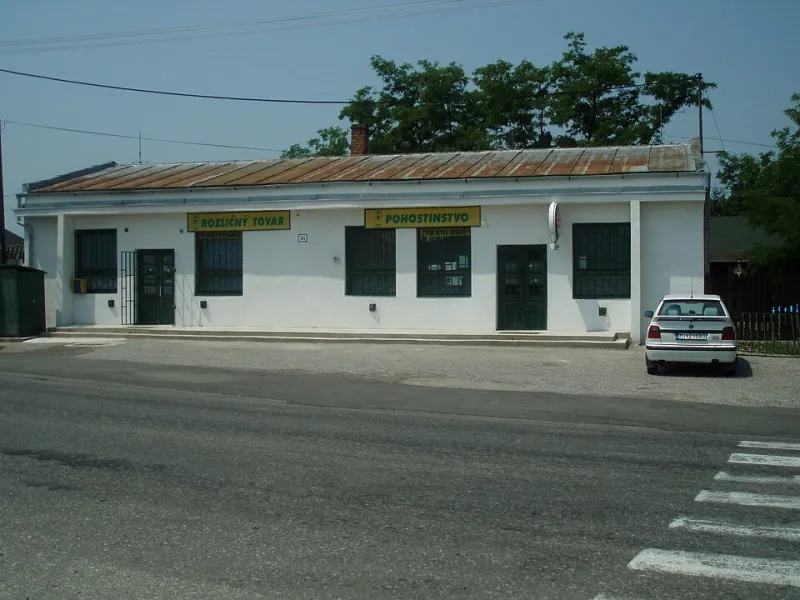
Photo: ZemplinTemplar, CC BY-SA 4.0, via Wikimedia Commons
There is a particular kind of West Country pub that no longer pretends to be only a pub. You walk in expecting a bar and find a shelf of loo roll, a post office counter, a stack of parcel boxes and a coffee machine that is clearly doing serious business. The beer is still there. But so is everything else the village needs.
In 2026, with rural services thinner than they were a generation ago, these places have become something more than picturesque. They are the last reliable point of contact for a lot of people. And for travellers, they offer a glimpse of a working community rather than a staged version of one.
When the bar is also the shop
The model is simple enough: a pub has space, footfall and a licence. A village needs milk, stamps, a parcel drop-off and somewhere to sit. Put the two together and you get a business that serves more purposes than either could manage alone. Some are community-owned. Some are run by a determined landlord or landlady who realised the pub would not survive on wet sales alone. A few are partnerships with the parish council or a local shop co-operative.
What they share is an unromantic practicality. The shop is not a decorative corner with three jars of honey. It is stocked for the people who actually live there: bread, milk, tinned goods, batteries, dog food, a decent cheese counter if you are lucky. The post office runs on set hours, because that is how the contract works. The parcel point is busy because everyone in the village has discovered online shopping, whether they admit it or not.
Three inns doing it properly
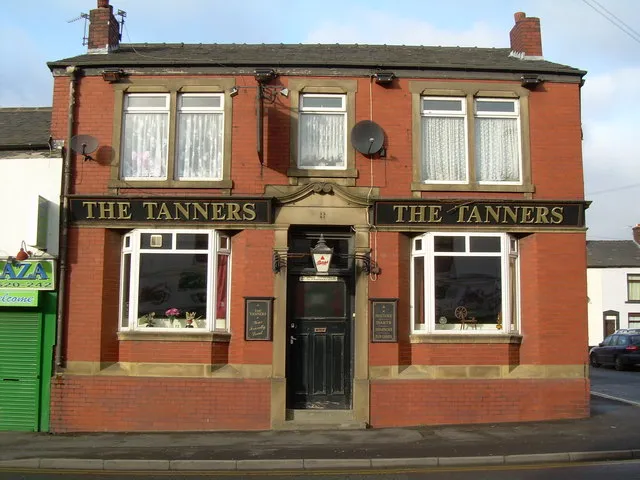
The Red Lion in Broadhembury, Devon, is the sort of place where the shop counter and the bar are separated by about four feet of floor. Locals come in for a pint and leave with a newspaper and a pint of milk. The pub runs a weekly coffee morning that has become the village's informal noticeboard, and the parcel shelf behind the door is usually full by Wednesday. The roast on Sunday is good, but the real achievement is that the place is open on a Tuesday morning when nothing else is.
In St Just, Cornwall, the Old Bank has leaned into the café side of things without losing the pub. There is a post office counter at the back, a proper coffee machine, and a table by the window where the same group of retired miners meet most mornings. Travellers are welcome, but they are not the point. That is precisely why it works.
The White Hart in Nunney, Somerset, took a different route: a village shop in a converted outbuilding, a library locker, a parcel point and a bar that opens at noon. The result is a pub that feels less like a destination and more like infrastructure. You can post a letter, borrow a book, buy dinner and have a pint without leaving the car park. It is not glamorous. It is essential.
What travellers get out of it
For visitors, these pubs are a quiet education. You learn what the village actually needs by watching what people buy and ask for. You hear the local news before it reaches the parish magazine. You get a sense of a place that exists outside the weekend. A pint in a pub like this is a small transaction with a much larger context.
They are also useful in a very ordinary way. If you are staying nearby and have forgotten a toothbrush, the pub shop may save you a drive. If you need to send something home, the parcel counter is there. If you want to know which footpath is passable after rain, ask at the bar. The answers are usually better than anything you will find online.
What makes a pub essential
Essential is not the same as charming. A thatched roof and a hanging basket are lovely, but they do not keep a village connected. What makes a pub essential is that it is open when people need it, that it stocks what people actually want, and that it does not make anyone feel like an outsider for using it.
The best of these places manage a difficult balance. They are welcoming to visitors without being shaped entirely around them. They keep the local noticeboard next to the menu. They sell postcards and paracetamol. They host the parish meeting and the quiz night in the same room. They are, in the old-fashioned sense, a public house.
That is worth seeking out. Not because it is quaint, but because it is real. And because the pint tastes better when the place serving it is doing something genuinely useful with its day.