Paws, Boots and Bar Stools: Finding a West Country Inn That Actually Welcomes Dogs
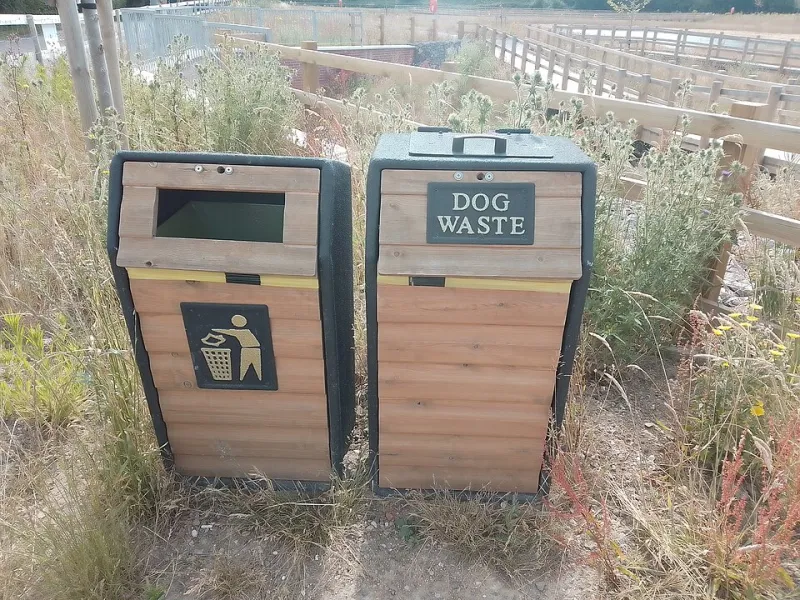
Photo: Djm-leighpark, CC BY-SA 4.0, via Wikimedia Commons
There is a particular kind of disappointment that comes from booking a ‘dog-friendly’ inn and discovering the dog is tolerated rather than welcomed. You know the sort of place: a water bowl by the door, a sign asking owners to keep pets off the furniture, and a bedroom that carries the faint but unmistakable whiff of wet collie. It is not the end of the world, but it is not what most of us mean by a weekend away with the dog.
The West Country does this better than most. Across Devon, Cornwall, Somerset, Dorset and Wiltshire, there are inns where muddy paws are expected, fires are lit for damp walkers and the kitchen is happy to send a sausage to the bar. But ‘dog-friendly’ is a vague phrase, and it pays to know what you are actually booking. Here is how we sift the genuine welcomes from the polite tolerances.
The label is doing a lot of work
By 2026, the phrase has become a marketing tick box. Some inns mean dogs can sleep in the room, eat breakfast under the table and settle by the fire while you have a second pint. Others mean dogs can sit in the garden in July. Both may call themselves dog-friendly. Only one is useful in February.
The first thing to check is not the water bowl but the wording. Look for a clear dog policy: where dogs are allowed, whether there is a charge, and whether specific rooms are set aside for them. An inn that has thought about it will usually say so without you having to interrogate the landlord.
Bar, breakfast and the bedroom
What you want is clarity. Are dogs allowed in the bar at all times, or only in a corner by the fruit machine? Can they join you at breakfast, or must one of you eat while the other sits in the room? Are they allowed in the bedroom unattended? And is there a charge? A good inn will answer these questions before you ask, usually on its website, and will not make you feel as though you are negotiating a treaty.
Breakfast is the tell. An inn that lets dogs settle under the table while you eat kippers has thought about it. One that directs you to a draughty conservatory has not.
How to book without landing in a wet-dog room
Ask for a ground-floor room if stairs are a problem, and ask whether the room has hard flooring or a washable rug. Some inns keep specific rooms for dog owners; others put you anywhere and hope for the best. If the website mentions ‘dog-friendly rooms’ plural, that is a good sign. If it mentions a ‘small charge per dog per night’, that is at least honest.
Book direct. It gives you a chance to explain the size and temperament of your dog, and it gives the inn a chance to put you in the right room. A border terrier and a Bernese mountain dog are not the same proposition. If you are bringing two dogs, say so at the time of booking rather than turning up and hoping.
Muddy-paw stations and the practical stuff
Look for a boot room, an outdoor tap, a stack of old towels and somewhere to hang a wet lead. These small things matter more than a complimentary biscuit. Some inns have a dog-washing station; others just have a hose and a knowing look. Both are fine. What you do not want is a pale carpet and a policy of ‘dogs must not be left unattended’ that makes dinner impossible.
A proper dog-friendly inn also thinks about the walk back. Somewhere to dry off, a bowl of water that is actually clean, and a bar stool you can reach without tripping over three other dogs are all part of the welcome.
Walks from the door
An inn is only genuinely dog-friendly if you can walk from the door without getting the car out. That might mean a footpath across fields, a stretch of the South West Coast Path or a loop around a country estate. The best places have a laminated route behind the bar, or a landlord who will sketch one on the back of a beer mat.
Places that tend to get this right include the Beckford Arms near Tisbury, where dogs are part of the bar-room furniture and the Fonthill estate walk is on the doorstep; the Nobody Inn at Doddiscombsleigh, an old Devon bolthole with fires and a proper pub heartbeat; and the Gurnard’s Head near Zennor, where the coast path is the morning walk and the bar is the reward. Policies change, so check before you book.
The green flags
- Dogs welcome in the bar and at breakfast, not just in a corridor.
- A designated dog-friendly bedroom with hard flooring or a washable rug.
- A charge that is clear and per dog, not a vague ‘cleaning fee’.
- Somewhere to wash paws and hang a lead.
- A walk from the door, with a map if you need one.
- Staff who greet the dog by name, or at least do not sigh.
The red flags
- ‘Dogs welcome’ on the website, but nothing about bedrooms.
- A pub that only allows dogs in the garden, in February.
- A breakfast room with a ‘no dogs’ sign and a long face.
- A room with pale carpet and a policy that makes dinner impossible.
- Anywhere that describes dogs as ‘pets’ and charges accordingly.
The bottom line
A proper dog-friendly inn does not make a fuss. It just expects dogs, plans for them and gets on with it. You will know it when the landlord says hello to the dog before you, and when the kitchen sends out a saucer of water without being asked. That is not cute; it is good hospitality. And it makes for a better weekend for everyone, including the collie.