The Inn Provides: West Country Stays Where the Walking Gear Is Already There
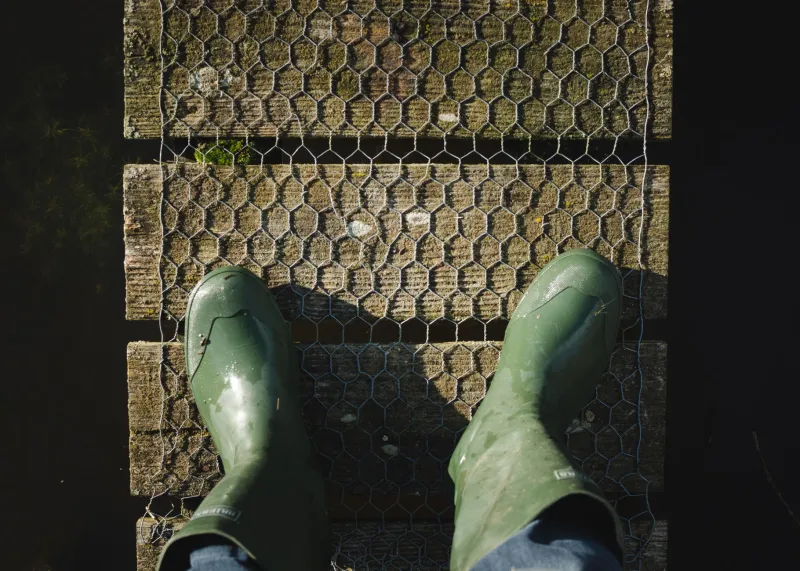
There is a particular kind of West Country welcome that begins with a glance at your footwear. Not a disapproving glance, you understand. More a quiet assessment followed by a nod towards a rack of wellies in the porch, a stack of laminated walk cards and a barometer that has clearly been consulted more often than the wine list.
That is the sort of inn worth knowing about. Plenty of pubs can claim to be near a good walk. Fewer make the walk feel like the whole point of the stay by quietly equipping you for it. The difference is not a spa menu or a boot-washing service with a Latin name. It is a dry corner, a spare pair of wellies and someone behind the bar who knows which side of the valley catches the weather.
The give-away details by the door
You can usually tell within thirty seconds. A proper boot rack is a good start. So is a pile of Ordnance Survey maps that look handled rather than framed. Walking poles leaning in a corner, a dog towel on a hook, a basket of torches for the walk back from the village, a bird book with a broken spine. These are not decorative touches. They are the small practicalities that turn a nice pub with rooms into a place that actually understands why you came.
The barometer is the tell-tale. A good one is tapped on the way past, discussed with the sort of seriousness usually reserved for football, and occasionally ignored in favour of a look out of the window. If an inn keeps one by the door, chances are it also keeps spare maps, a flask or two and a decent stock of local knowledge behind the bar.
Wellies in the porch, maps on the bar
Borrowed wellies are a small act of hospitality with a large effect. They mean you can pack a weekend bag rather than half a shed. They mean a train trip to a countryside inn does not collapse the moment the forecast turns. They mean you can say yes to the muddy path along the river rather than settling for the tarmac loop.
The best versions of this are not formal hire schemes. They are a row of assorted sizes in the porch and an easy-going instruction to bring them back when you are done. Inns in places like Hinton St George, Combe Hay and the villages around Tisbury have long understood that muddy boots are part of the furniture. Ask at the bar and you will often get a route, a warning about the ford and a recommendation for the best place to stop halfway.
Maps matter as much as footwear. A printed walk card by the till is worth more than a vague wave towards the hills. The good ones are specific: turn left at the church, ignore the footpath sign that looks tempting, allow two hours if the ground is wet. That kind of detail is local knowledge made useful, and it is one of the quiet pleasures of staying above a pub.
Binoculars, bird books and a window seat
Coastal and moorland inns have their own version of this. A pair of binoculars on the windowsill, a bird book with a few pages stuck together, a note about the best time to see the waders on the estuary. It is not a wildlife centre. It is a pub that has noticed what is outside the window and made it easy to enjoy.
On the edge of Exmoor, around the Somerset Levels or along the Dorset coast, this sort of kit feels less like a gimmick and more like common sense. A borrowed pair of binoculars turns a pint by the window into an hour of watching. A bird book settles an argument. A flask filled from the breakfast urn saves you buying a plastic bottle of water on the way out. None of it is grand. All of it is useful.
Flasks, drying rooms and the wet-kit pact
The drying room is the unsung hero of the countryside stay. You do not need much: a warm, airy space, a few hooks, a radiator that actually works and somewhere to hang a coat that is dripping onto the flagstones. Add a boot tray and a supply of newspaper for stuffed boots and you have solved the oldest problem in British walking, which is not the rain itself but what to do with your clothes afterwards.
Some inns lend flasks. Some fill them. Some simply point you towards the kettle and trust you to get on with it. The best ones understand the unwritten pact: you will return the kit, you will not trail mud through the bar, and in exchange they will not make you feel like a nuisance for arriving wet. That is worth more than a fancy welcome tray.
Pack light, walk further
The real appeal of an inn that kits you out is freedom. You can arrive by train with a small bag and still walk the coast path. You can forget your waterproof and borrow a coat. You can decide over breakfast that the weather is better than expected and set off without a detour to a shop. The inn becomes a base rather than just a bed.
It also makes a weekend feel more generous. A borrowed pair of wellies and a hand-drawn map are not luxury amenities. They are the sort of things a thoughtful host does without making a fuss. And in the West Country, where the weather can change its mind between the first cup of tea and the second, that thoughtfulness is not a small thing.
How to spot a keeper
Look for the language. Websites and menus that mention a boot room, a drying room, walkers welcome, dogs welcome, local maps or a pub walk are usually telling the truth. Ring ahead if you need a specific size of wellie or want to borrow binoculars. These things are often first come, first served, and a quick conversation is better than an disappointed trudge in wet socks.
Then return the favour. Bring the kit back, hang up the coat, and tell the bar staff where you went. The best countryside inns are not just places to eat and sleep. They are places that send you out properly equipped and welcome you back with a fire, a pint and somewhere dry for your boots. That is the whole trick, and it is a very good one.