Wooden Spoons, Dark Ale and a Wish: The West Country Inns Keeping Christmas Pudding Honest
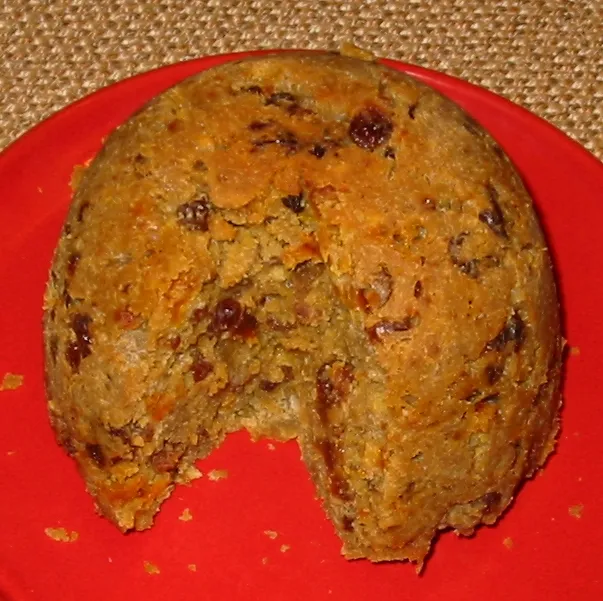
Photo: Man vyi, Public domain, via Wikimedia Commons
Stir-Up Sunday falls on 22 November in 2026, the last Sunday before Advent and the traditional day for making Christmas pudding. At home, that usually means a frantic hour with a bowl of dried fruit and a vague memory of where the pudding basin went. In a handful of West Country inns, it means something slower: suet, stout, dark sugar, spice, a wooden spoon passed round the bar, and a room full of people taking a turn and making a wish.
This is not a story about nostalgia for its own sake. It is about a pub doing something that cannot be rushed, cannot be microwaved and cannot be ordered from a spreadsheet. A Christmas pudding made in a pub kitchen in November has to sit, mature and be steamed again in December. That takes space, patience and someone willing to keep an eye on a simmering pan when they could be doing something more profitable. When it works, you can taste the difference.
Why the pub is the right place for a stir
Christmas pudding is a communal pudding by design. The old custom is that everyone in the household gives the mixture a stir and makes a wish. In a pub, that household becomes the village, the regulars, the weekend guests and whoever has popped in for a pint and got talked into rolling up their sleeves.
The best versions are not precious about it. You will find stout or ale in the mix, sometimes cider brandy, often a heavy hand with mixed peel and nutmeg. The pudding should be dark without being bitter, moist without being stodgy, and served with something cold and sharp enough to cut through it. Brandy butter is the classic, but clotted cream is no bad West Country substitute.
It also gives a pub a reason to be busy on a Sunday afternoon in late November, which is not the easiest trading day of the year. A fire, a few long tables, a bowl of mixture and a spoon is a better draw than another quiz night.
What to ask before you book
Not every pub that serves Christmas pudding makes it. That is fine, as long as they are honest about it. If you are going out of your way for the real thing, ring ahead and ask a few plain questions.
Was the pudding made on site? How long has it been maturing? Is it steamed to order or reheated in slices? What is it served with? A kitchen that makes its own pudding will usually be happy to talk about it. A kitchen that does not will change the subject.
Also ask whether they are doing anything for Stir-Up Sunday itself. Some inns turn it into a proper afternoon: a bowl on the bar, a spoon, a charity collection, perhaps a glass of something dark and warming for anyone who takes a turn. Others simply make the puddings quietly in the background and put them on the Christmas menu. Both are valid. Only one involves getting flour on your sleeve.
A few West Country inns worth ringing
These are the sort of places where the old rituals still fit the building and the kitchen. Menus change, plans shift and a pub that made puddings last year may have scaled back this year, so check before you set off.
The Lord Poulett Arms at Hinton St George in Somerset is the kind of thatched, low-beamed inn where a Christmas pudding does not look out of place on the menu. It is worth asking whether the kitchen is making its own this year and whether there is a Stir-Up Sunday plan. The village itself rewards a wander, and the surrounding lanes are good for a short pre-lunch loop.
The Beckford Arms at Fonthill Gifford in Wiltshire has long been a reliable stop for a proper Sunday lunch and a civilised overnight. It is the sort of kitchen that tends to take traditional dishes seriously without making a performance of them. Ring ahead about the Christmas pudding and ask what it comes with. If the answer involves brandy butter and a long table, you are in the right place.
The Gurnard's Head at Zennor in Cornwall is remote enough that a winter visit feels like a small expedition. A slice of pudding after a coast walk, with the fire going and the sea somewhere out in the dark, is a fine reason to book a room. Ask about the Christmas menu and whether the pudding is made in-house. The walk back from the coast path will justify the cream.
The Bull Inn at Totnes in Devon is a good example of a pub that wears its traditions lightly. It is worth a call to see what the kitchen is planning for December and whether a Stir-Up Sunday session is on the cards. Even if the answer is no, the town and the river make a decent day out.
The stir itself
If you do find a pub doing a proper Stir-Up Sunday, go early. The ritual is usually a low-key afternoon thing, not an evening event. Expect a bowl, a spoon, a bit of mess and a lot of advice from people who claim their grandmother had the definitive recipe. You may be asked to make a wish. You may be asked to add a coin, though most modern kitchens use a wrapped charm instead. Do not swallow it.
The pudding you stir in November will not be the one you eat that day. That is the point. It goes into a basin, gets covered, and waits. When it reappears in December, steamed and smelling of spice and booze, it will have had time to become itself.
If you cannot make the 22nd
Plenty of West Country inns serve a proper slice through December without making a ceremony of the stirring. Book a Sunday lunch, ask for the pudding, and judge for yourself. A good one should be dark, moist and generous, with enough brandy butter to be slightly excessive. A bad one is a dense brown lump with a sad bit of custard.
The other option is to stay the night. A pudding after lunch, a walk in the cold, a pint by the fire and a room upstairs is a better Christmas present to yourself than another scented candle. It also gives the pub a reason to keep making the effort.
Stir-Up Sunday is not about pretending we all have time to steam puddings for six hours. It is about recognising that some things are worth doing slowly, in company, with a drink in reach. The West Country inns that still bother are keeping something useful alive: not just a recipe, but a reason to sit down together in the darkest part of the year.