Your Own Front Door and a Bar Full of Friends: Hiring a West Country Inn for the Weekend
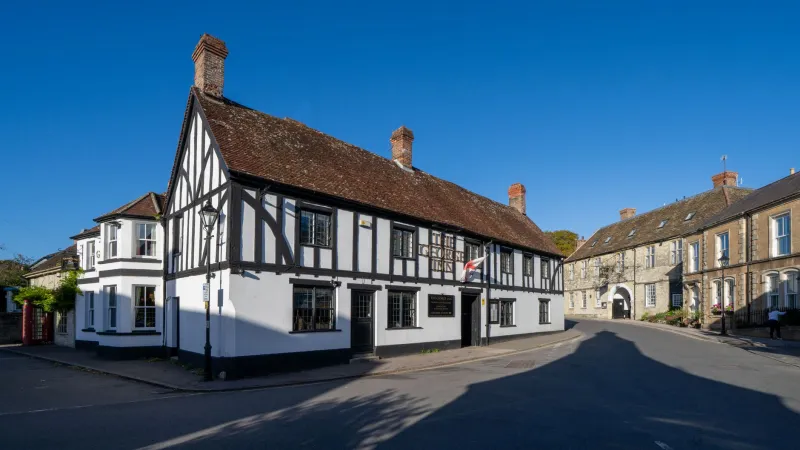
There is a particular kind of weekend that begins when the landlord hands over the key and says, 'She's all yours.' No jostling for a table, no watching the clock for last orders, no strangers at the bar. Just your people, a proper West Country inn and the pleasant problem of deciding who gets the room with the window seat.
Exclusive hire has moved from novelty to genuinely useful. Walking groups want somewhere to dry boots and eat together. Families want a milestone birthday without hiring a marquee. Friends want a bar they can colonise without apologising for the noise. The West Country has plenty of inns that will close the doors to the public and open them to you — but the details matter more than the photographs.
What exclusive hire actually means
It rarely means the building is empty apart from your group. Some owners live on site, and staff will still be coming and going. What you are usually buying is exclusive use of the public spaces: the bar, dining room, garden and bedrooms. Ask specifically whether the pub will be closed to non-residents, whether the owners' private quarters are included and whether any staff sleep on site.
There is also a difference between staffed hire and self-catering hire. Most inns offer the former: bedrooms, breakfast, dinner and a bar run by their team. A few will do a lighter arrangement — sometimes called dry hire — where you get the run of the place but bring in your own caterers or cook for yourselves. That can work beautifully for a relaxed gathering, but check kitchen access, fridge space, washing-up arrangements and whether the pub's licence allows you to bring your own alcohol.
The right size of place
A small inn might take ten to sixteen people across six or seven rooms. A larger coaching inn or former drovers' pub can handle twenty-five to thirty, sometimes more with extra beds and family rooms. Below about ten guests, many places will not offer full exclusivity unless you meet a minimum spend, because closing the bar for a handful of people does not add up.
Think about what your group actually needs. A walking weekend wants a boot room, drying space, parking for several cars and a breakfast that starts early enough. A family gathering wants a ground-floor bedroom, an accessible bathroom, cots and a garden with a gate that latches. A gang of friends wants a bar that stays open late enough, a decent sound system and a clear policy on music after eleven.
What is usually included — and what is not
Expect bedrooms, linen, towels, breakfast and cleaning. Dinner is often included for one or two nights, sometimes as a set menu rather than the full à la carte. Bar staff and service are usually part of the package, but drinks are often charged separately or run against a tab. Ask whether there is a welcome drink, whether wine is included with dinner and what happens if your group drinks the pub dry of its best bitter.
Not included, typically: lunch, extra nights, dogs, travel cots, late checkout and any damage. Some inns charge a refundable damage deposit; others simply ask for a card on file. If you are bringing your own wine, check corkage. If you want a private chef or a local band, check whether the pub can arrange it or whether you need to bring your own suppliers.
Rough price expectations
Prices vary enormously by season, region and how much food and drink you put through the bar. As a broad guide, a characterful small inn sleeping twelve, with two nights' dinner, bed and breakfast, might come in around £3,000 to £6,000 for the weekend. A larger place sleeping twenty-five to thirty could be £6,000 to £12,000 or more. Per head, that often works out somewhere between £150 and £400 for the weekend, depending on the food and the drinks tab.
Midweek and off-season dates are cheaper. Minimum spend arrangements can work in your favour if your group is thirsty, but they can also catch you out if half the party decides to drive home early. Always ask whether prices include VAT, whether service is added and what the deposit and cancellation terms are. A 20 to 50 per cent deposit is common, with the balance due a few weeks before arrival.
The small print worth checking
Exclusivity does not always mean solitude. Confirm whether the pub will be fully closed or just closed to passing trade. Ask about noise curfews, music, outdoor fires and whether the garden is yours alone. Check the dog policy room by room, not just 'dogs welcome'. Ask about accessibility, parking, taxi numbers and the nearest station — rural inns can be wonderfully remote until you need to move twenty people.
Food is another area for clear questions. Can the kitchen handle allergies, vegetarians and fussy children? Is there a set menu, and can you choose it in advance? What time is breakfast served, and is there flexibility for late risers? If you are self-catering, is the kitchen properly equipped or just a domestic hob and a hopeful toaster?
Finally, read the cancellation clause properly. Weather, illness and changing group numbers happen. A good inn will be clear about deadlines, refunds and whether you can move your dates. It is dull reading, but it is the difference between a brilliant weekend and a expensive lesson.
Making the weekend work
Appoint one organiser, not five. Send a room list in advance and let the inn allocate rooms rather than arguing over who gets the four-poster. Pre-order breakfast and dinner where you can. Plan one loose walk and one proper lunch, then leave the rest alone. Keep the bar tab visible so nobody gets a shock on Sunday, and ask the landlord where the locals go for a morning coffee or a muddy circuit.
The best exclusive-hire weekends are not the ones with the most elaborate itinerary. They are the ones where the inn does what it does well — fires lit, pints pulled, breakfasts hot — and your group simply settles in. Take the whole place, but take the small print seriously too.